Malta: Population over 500,000. Malta: Registered vehicles, over 400,000. So a reason not to rent…
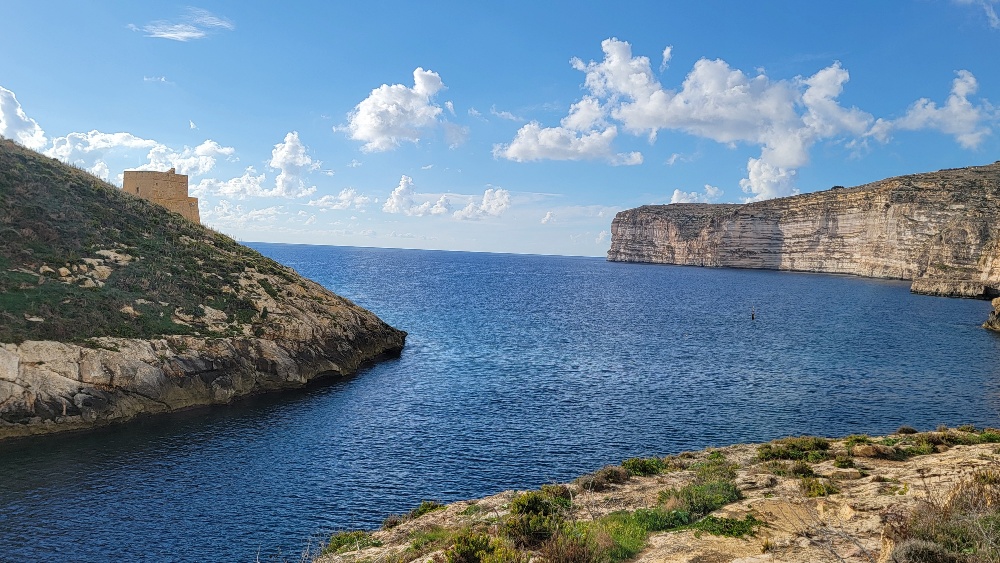
The White Cliffs of Shlendy
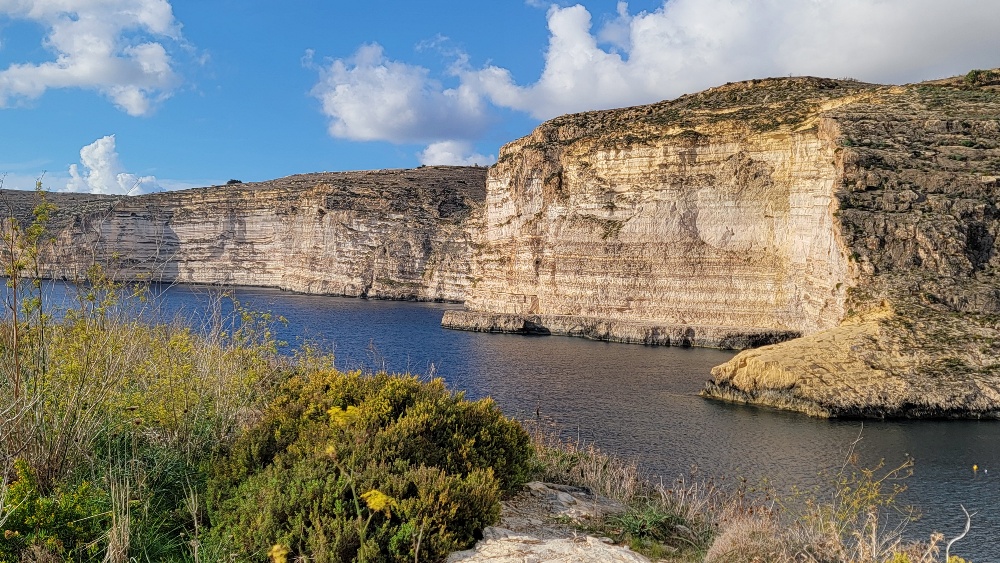
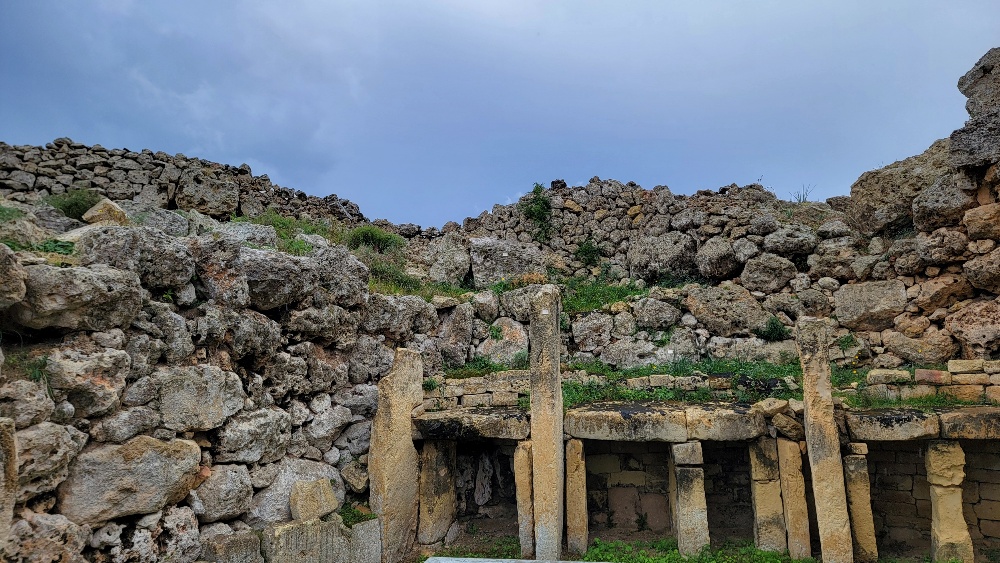
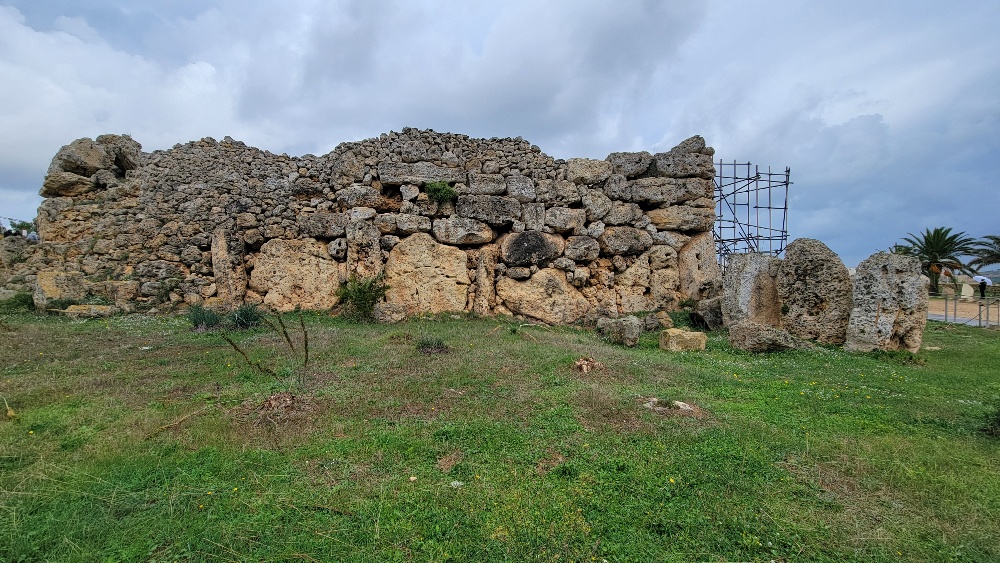
It’s Xlendi. But, phonetically, shlendy. It was the best of times, it was the blurst of times… And Xlendi was stunning, a nice cap to a full and fulfilling day. First off, however, we bussed to Ggantija Temple. Another archeological find. Another neolithic ruins. Another pile of rocks. Jeesh.
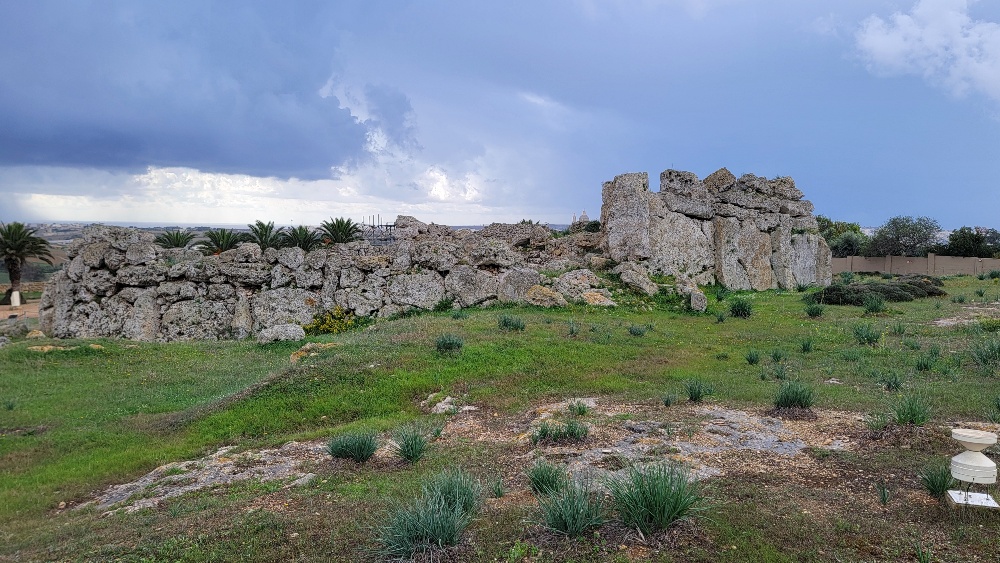

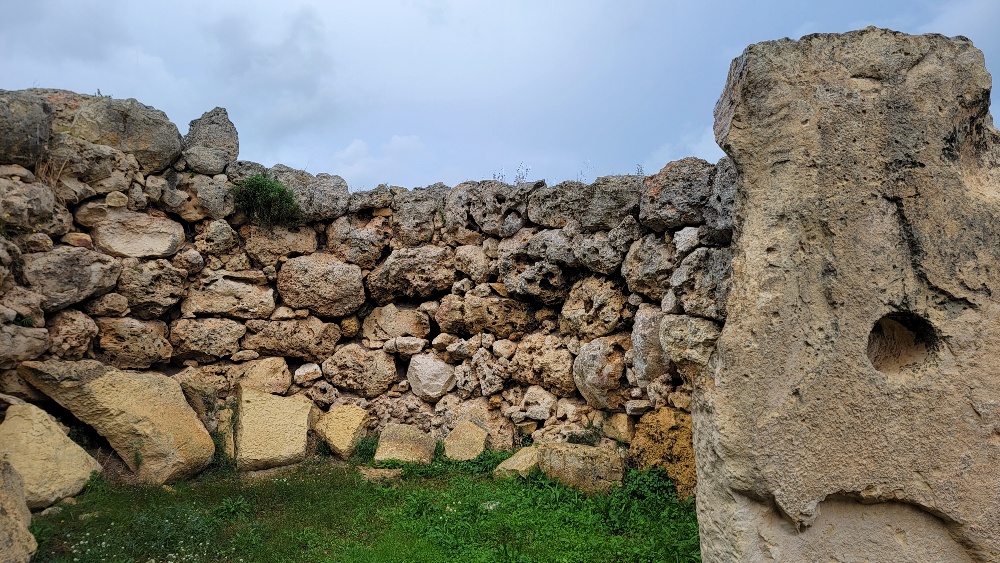
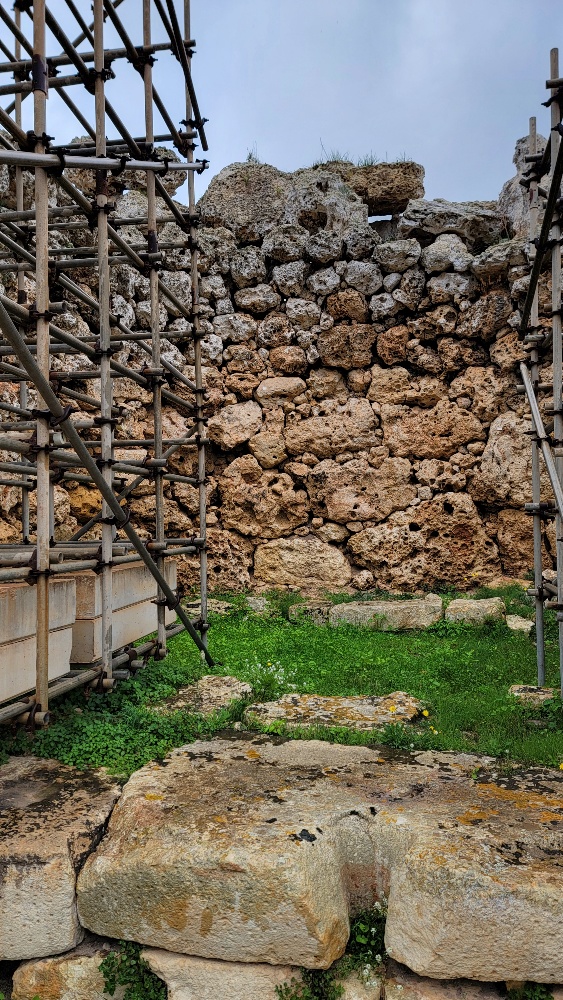
It was overcast at breakfast with some drizzle, but that later cleared and the heat came on strong; we were the first to arrive at the temple complex and had a superb visit, the whole site to ourselves. Ggantija is from (what I would call) the Early Bronze Age but of course being Malta it has it’s own name, the Tarxien Cemetery Phase.

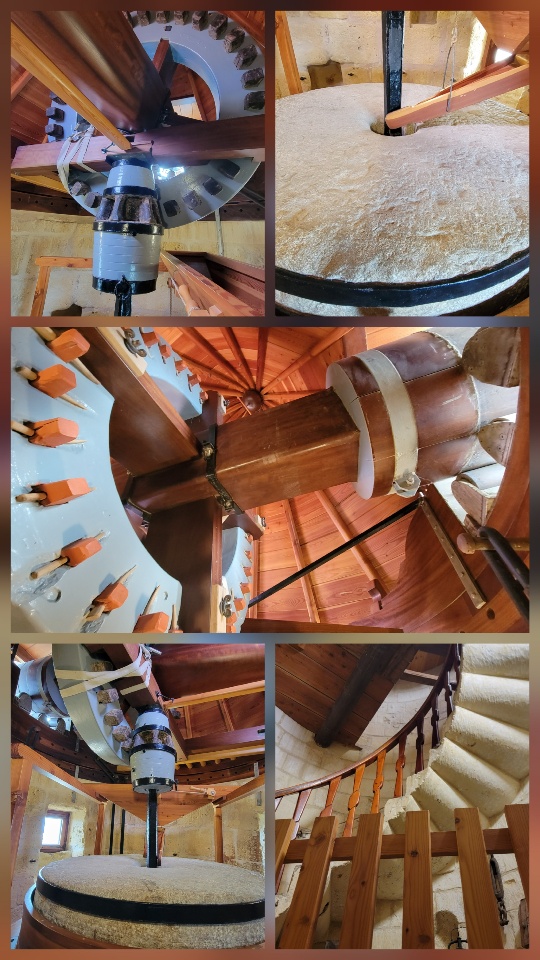
Then, as three tourist buses pulled up to Ggantija, we made our way down a couple of streets to the Ta Kola Windmill, which dates to the Knights of Malta as a granary/bread making complex. Weirdly fascinating, as the grindstone was at the top of the windmill where it emptied into sacks, which were then hoisted down to ground level on pullies, with living quarters in the middle and “commerce” on ground level.


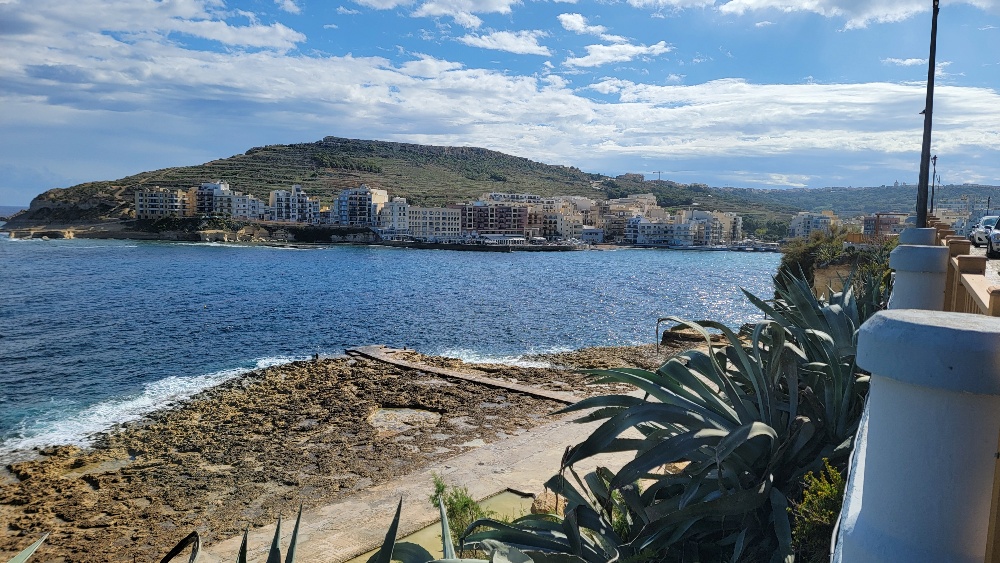
The beauty of Gozo is it’s not that big; larger than, say, Saturna, less than half the size of Salt Spring. So before 11 we’d already had our breakfast, seen two historical sites, and had a walkabout. Next stop Marsalforn Bay on the north side of Gozo, facing the Mediterranean towards Europe. This enclave had a Costa del Sol feel, not particularly cozy, but there was a lovely coastal walk and we wandered from one village to the next for about an hour, then caught a bus back to Victoria.


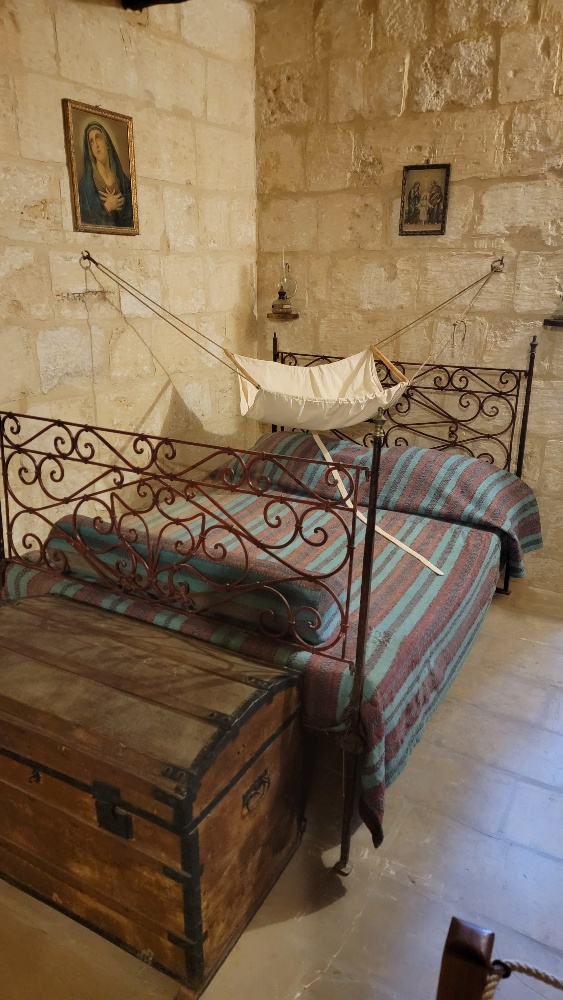
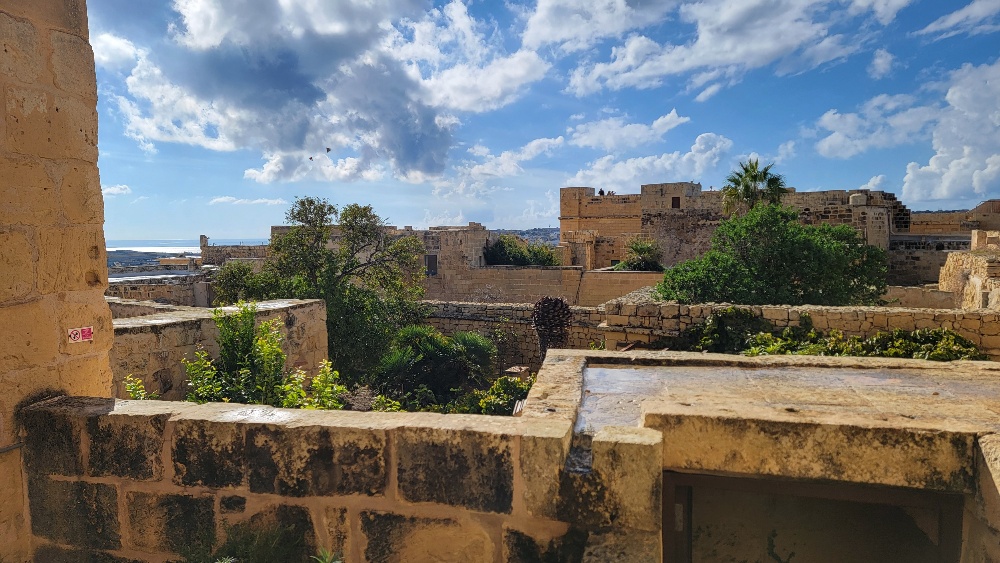
We had an open ticket for the heritage house at the citadel, so we climbed back up to the overlook in Victoria. Pre-renaissance the citadel hosted a village, but over time people moved down to farms and settlements beyond the walled city. Many of the original, functional dwellings in the citadel are now gone; but one house has been preserved as a museum, and it had some novel aspects.


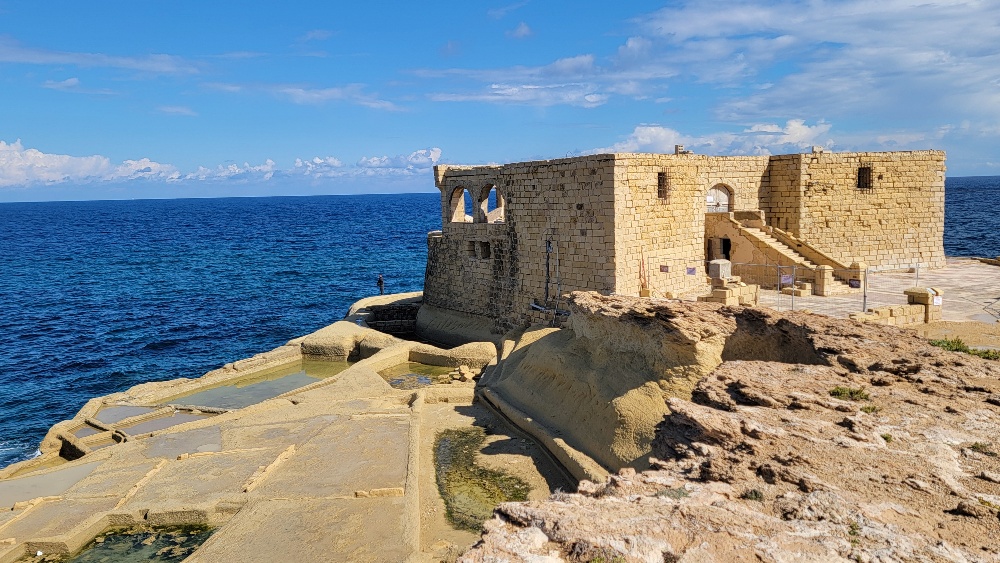
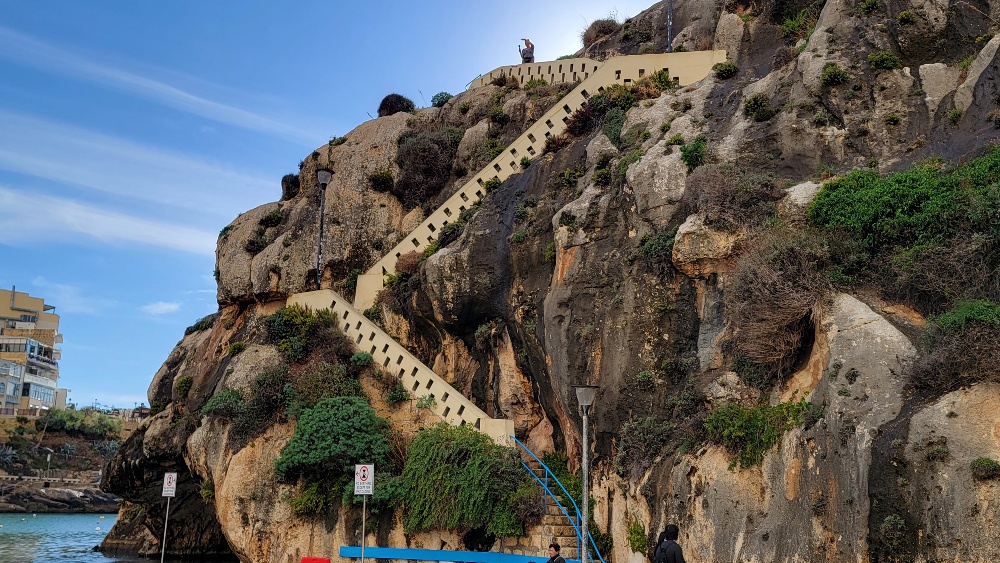
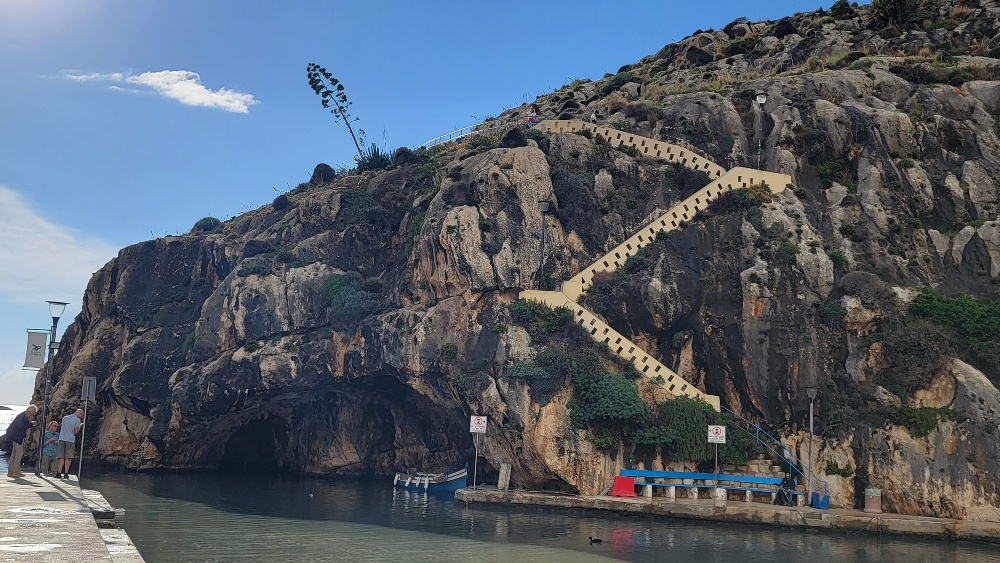
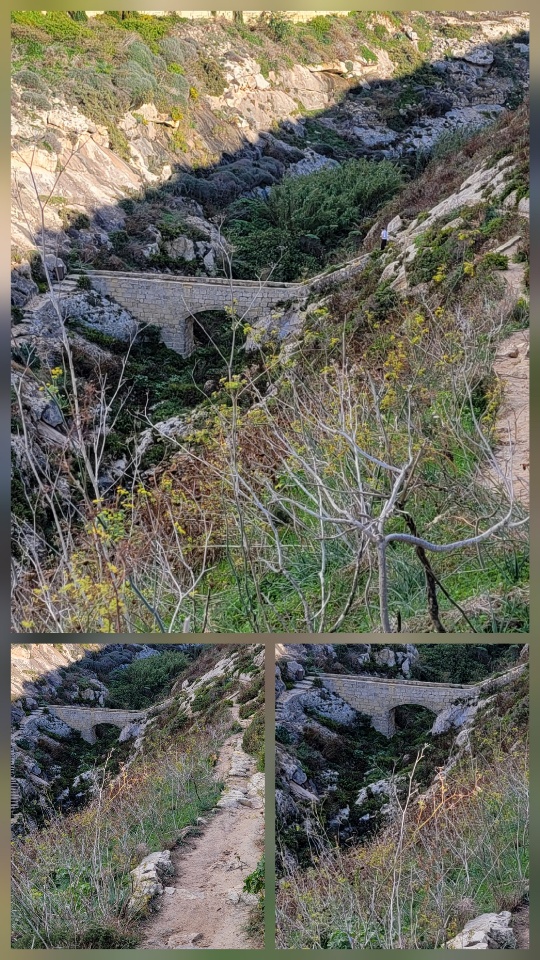
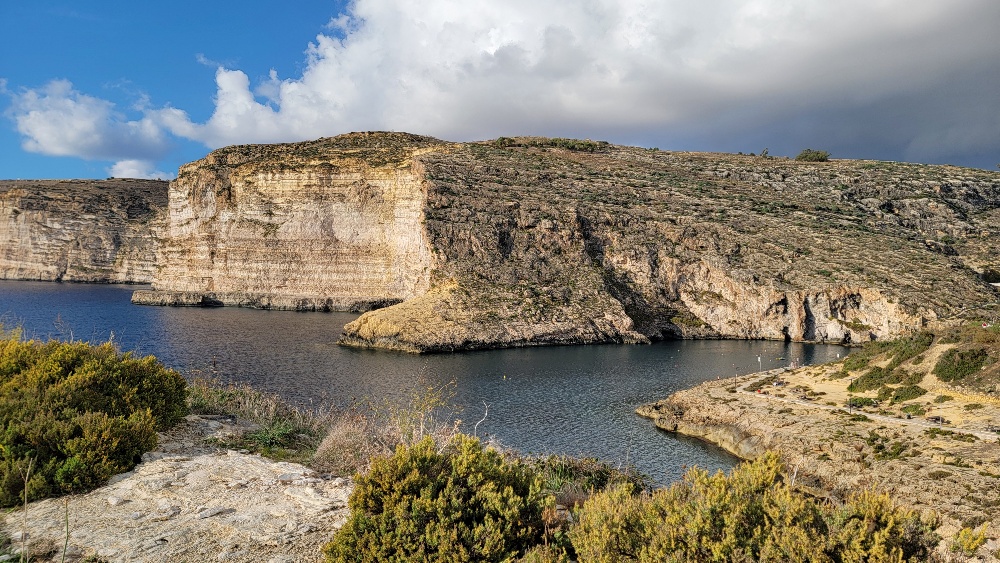
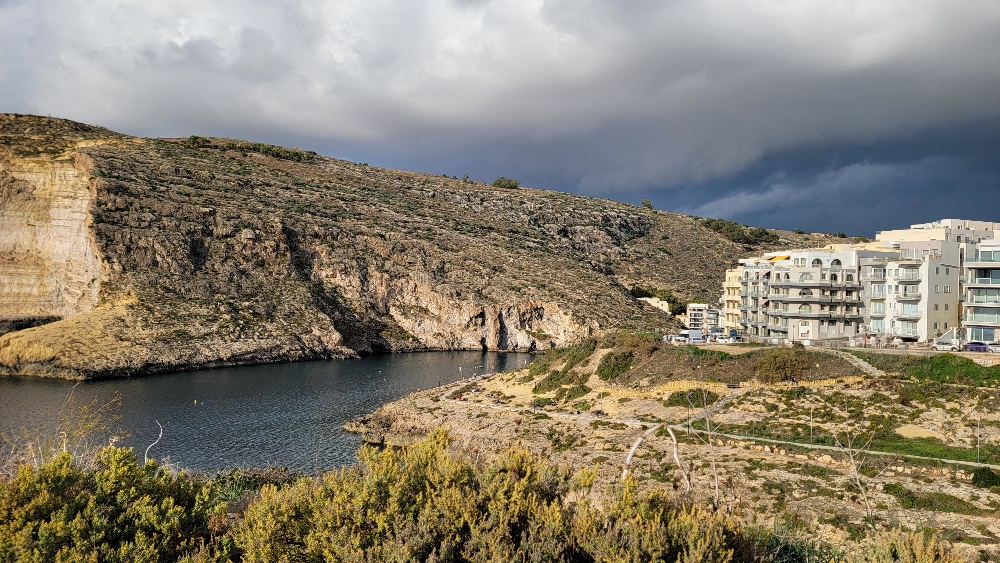
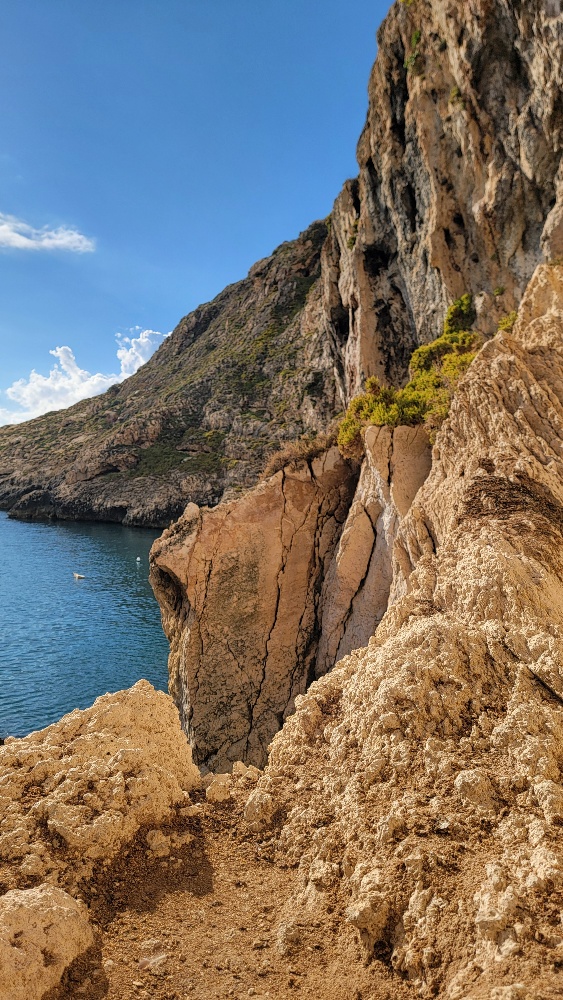
When we’d finished yet another tour we set off for the coast again. This time we travelled to the southwest corner, Xlendi, which is nestled in a limestone valley against rugged cliffs and set off by a watchtower on the headland. On one side of the bay was a precarious cliffside staircase, up and down, to a small grotto. On the other side was a long seawall which crossed the limestone gully and led out to the watchtower. It was a great way to end our adventures on Gozo.


And so we wound up our busy few days in Gozo, headed back to Victoria, had dinner at a local place, and called it a night.



Related Posts


Comments (0)